

《吉原通雄》
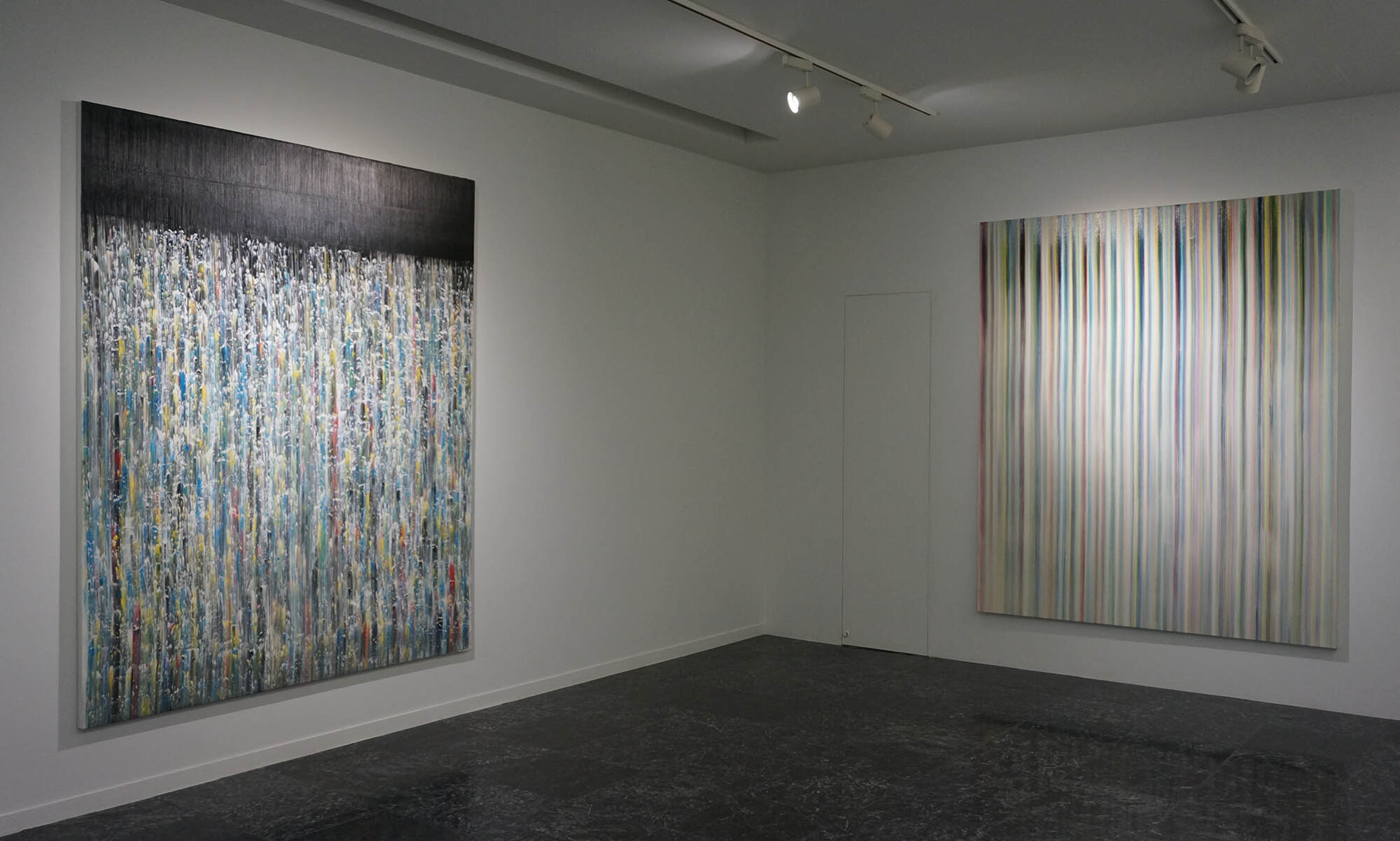
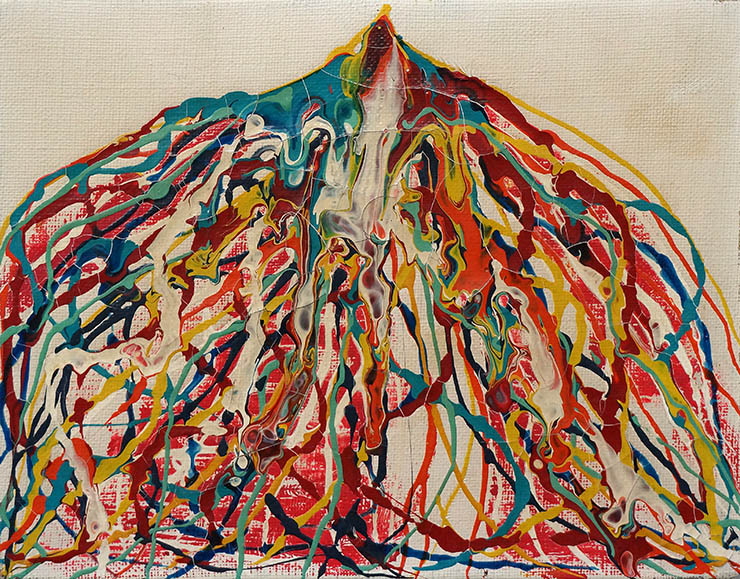
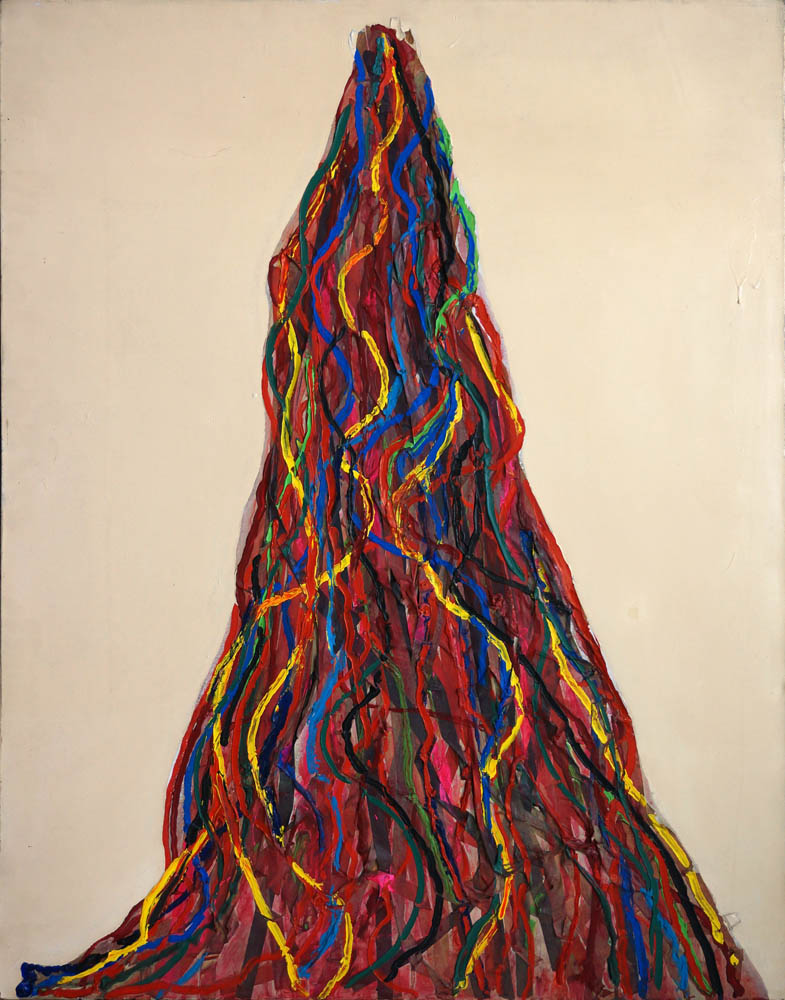
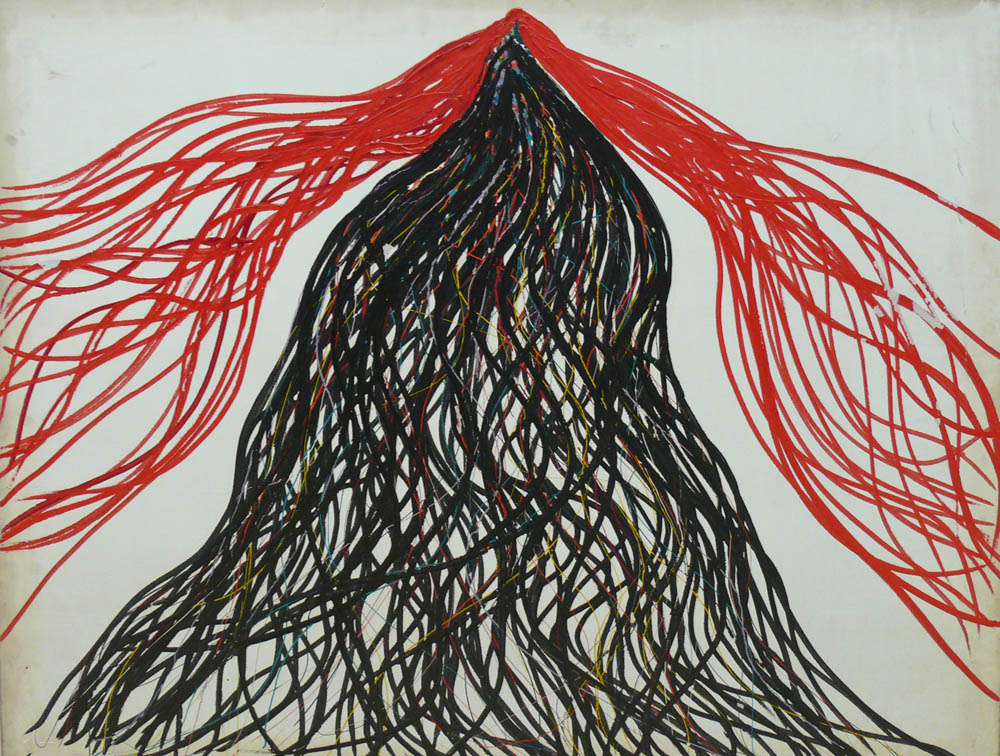
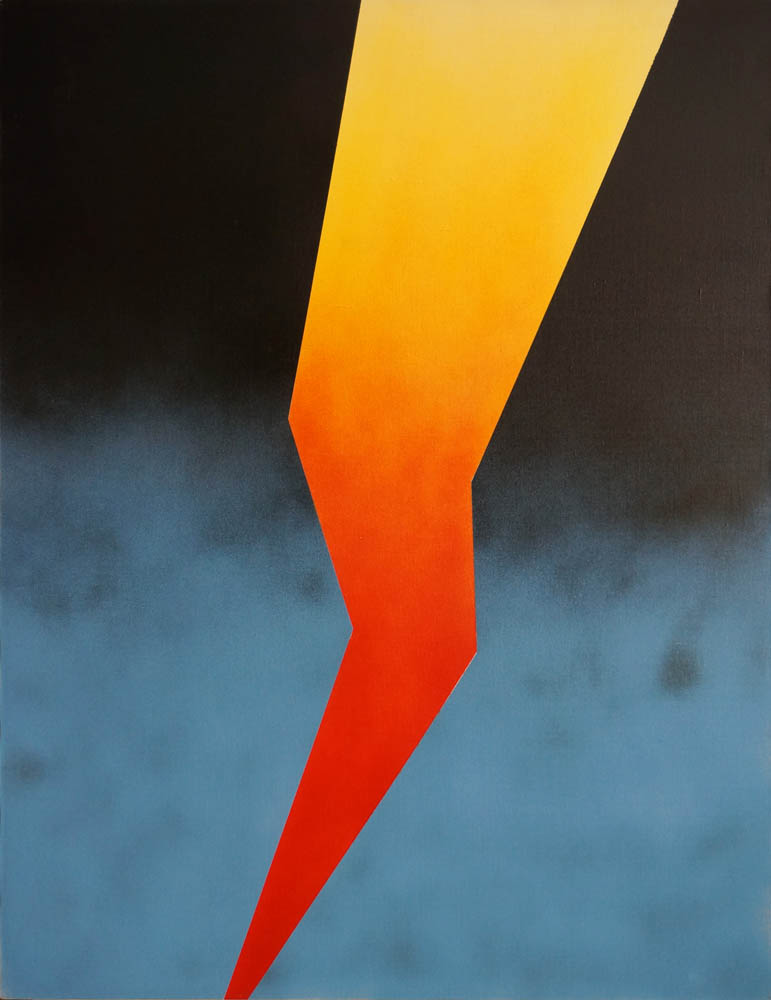
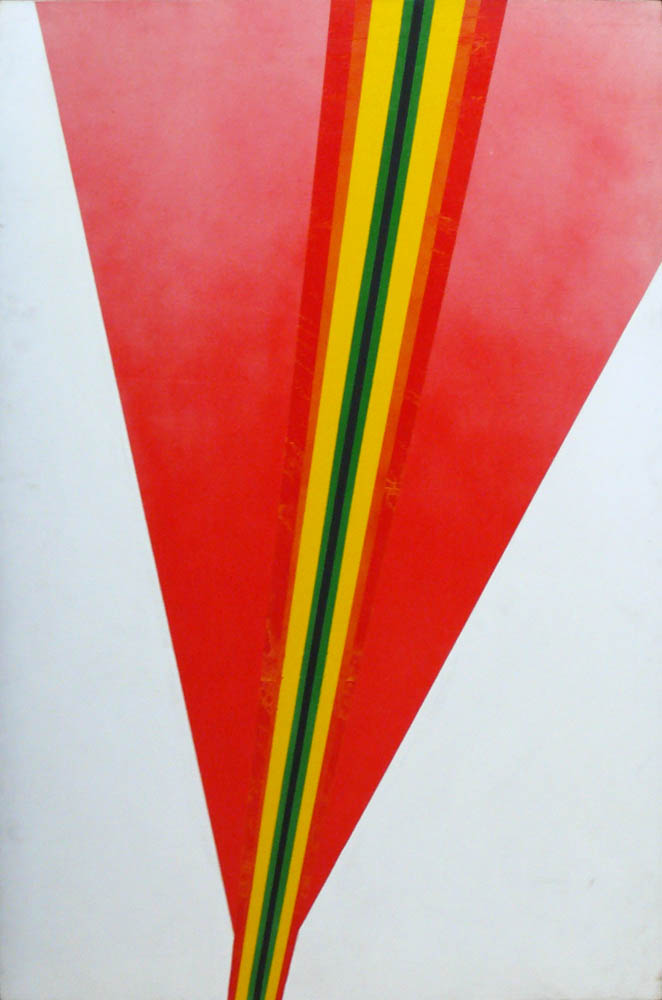
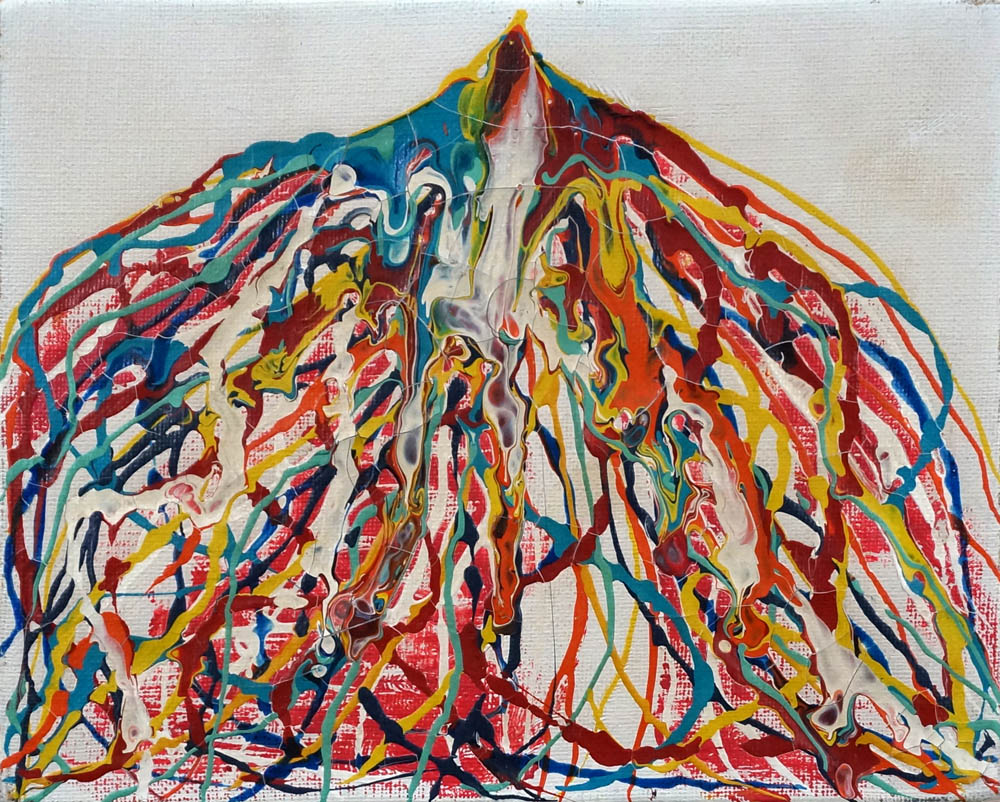
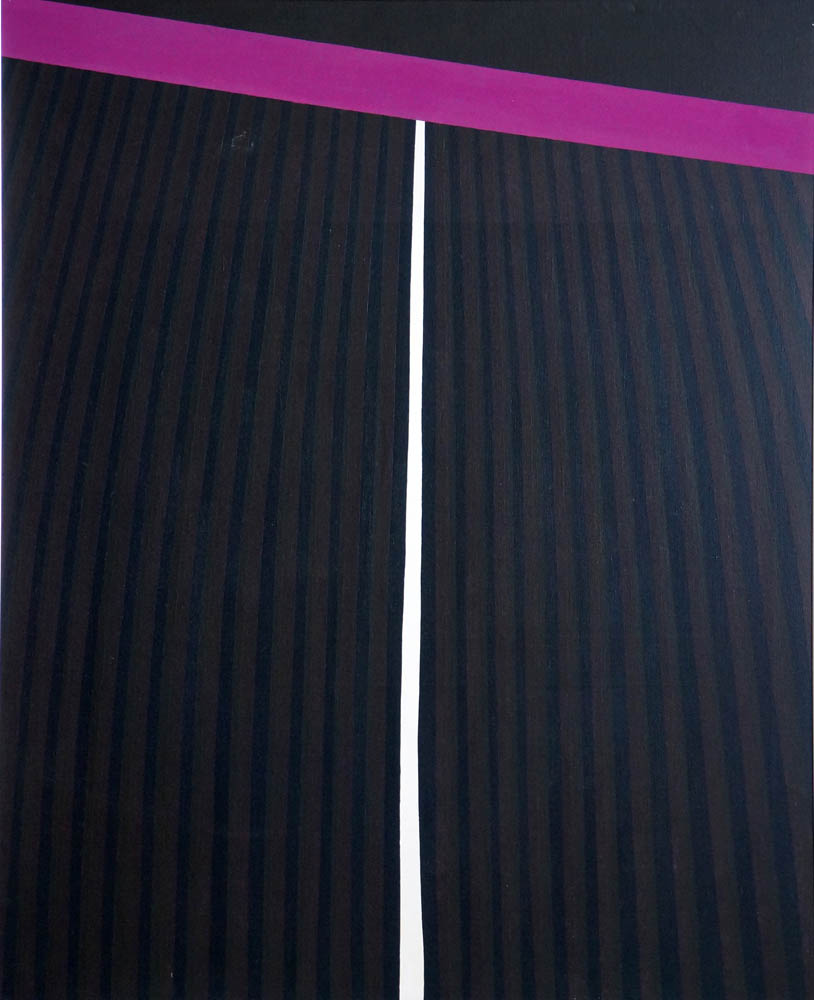
1933年生まれ。具体美術協会の創設者である吉原治良 を父に持つ。関西学院大学在学中の1954年、前衛美術グループ「具体美術協会」の結成に参加し、1972年の解散まで会員として活動した。
初期には、スクラップ素材の再利用、地面に埋め込んだ電球、油彩画面への灰の散布、スライド映写など、多様な素材と技法を用いた実験的な作品を展開。1957年には、支持体にコールタールを流し込み、砂や小石を撒く手法を確立し、物質の質感と偶然性を強調した表現を追求した。
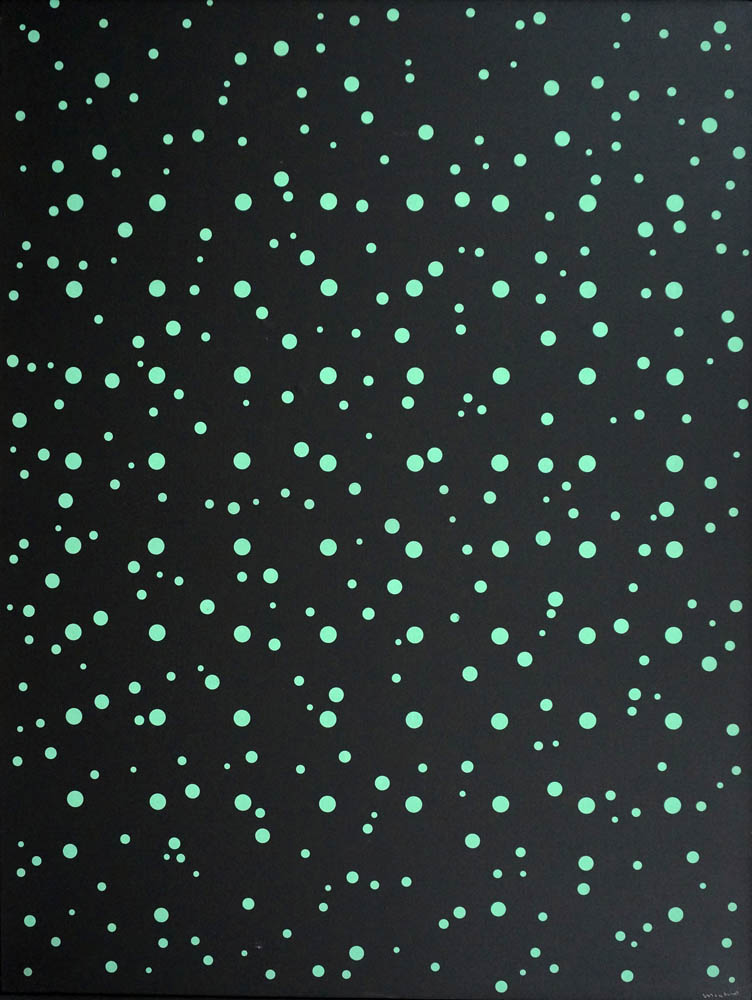
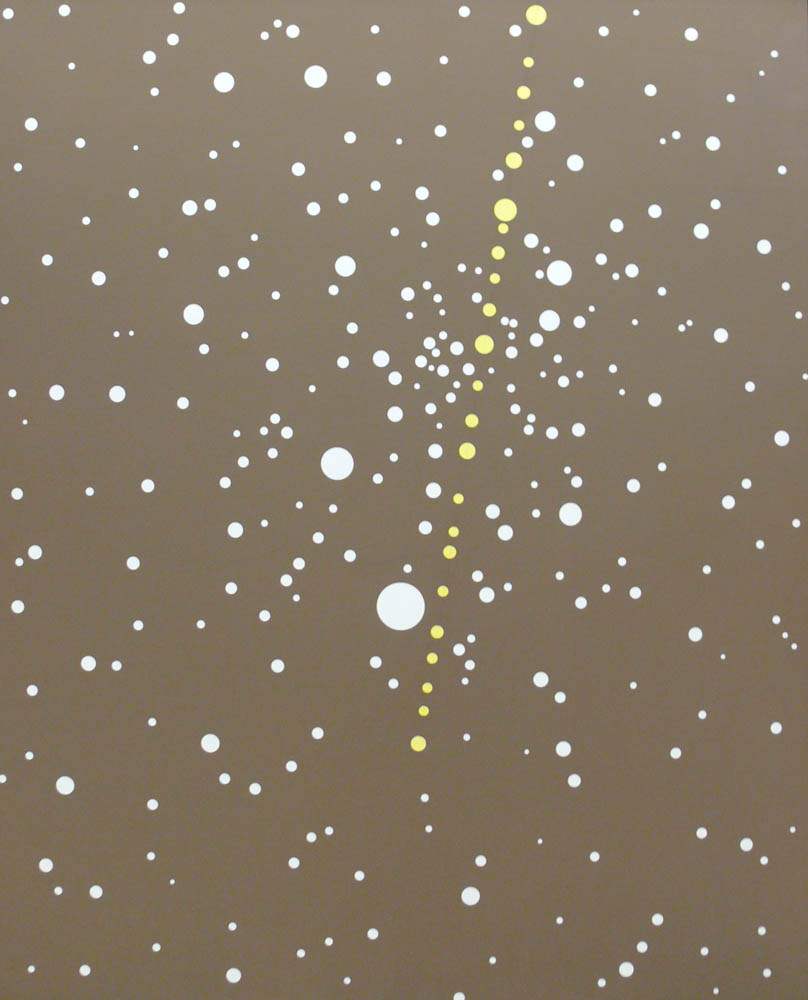
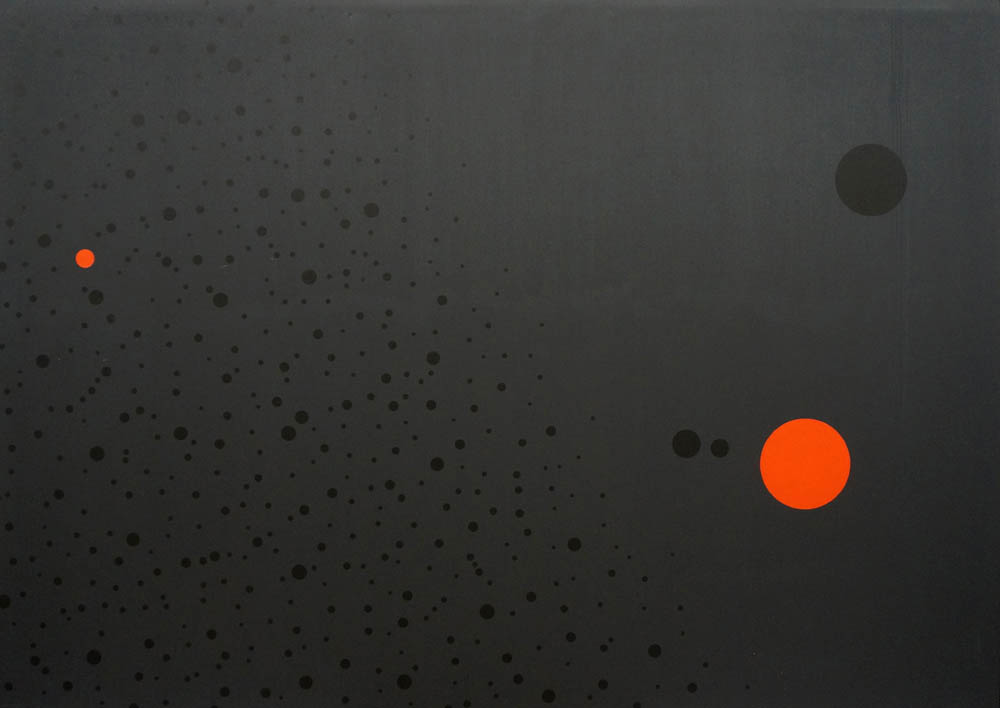
しかし1962年以降、表現は大きく転換し、丸めた色紙を額内に充填した作品や、大量の紙テープを空間に吊るすインスタレーションなど、軽やかで空間的な構成へと移行。これは「人の真似をするな」「これまでにないものを創れ」という具体の理念を体現する試みであった。
また自身の制作活動にとどまらず、具体が舞台を用いた表現を行う際には音響を担当するなど、グループ内で多面的な役割を果たし、実験的な創作活動を幅広く展開した。
《Michio Yoshihara》
Michio Yoshihara (1933–1996) was a member of the Gutai Art Association, founded by his father, Jiro Yoshihara. While studying at Kwansei Gakuin University, he joined the group at its inception in 1954 and remained an active member until its dissolution in 1972.
In his early practice, Yoshihara explored a wide range of experimental materials and techniques, including works made from recycled scrap, light bulbs embedded in the ground, oil paintings scattered with ash, and slide projections. In 1957, he developed a distinctive method of pouring coal tar onto a support and scattering sand and small stones, emphasizing material texture and chance.
Around 1962, he dramatically shifted his artistic approach, producing works that diverged from his earlier material-heavy compositions. These included pieces composed of rolled colored paper densely packed into frames, as well as large-scale installations of suspended paper streamers cascading into space. This transformation embodied Gutai’s core principles—“Do not imitate others” and “Create what has never been done before.”
Beyond his individual practice, Yoshihara also contributed to the group’s activities by taking on roles such as sound design for Gutai’s stage-based performances, demonstrating a multidisciplinary approach to artistic production.