

《元永定正》
1922年三重県生まれ。戦後日本の前衛美術を代表する芸術家の一人。1955年、吉原治良 の誘いにより具体美術協会に参加し、同グループの中心的メンバーとして活動を展開する。
初期には、ビニール袋に着色した水を封入し屋外に吊るす《作品(水)》や、煙を用いた舞台上のパフォーマンスなど、物質の変化や空間性を扱った実験的な作品を発表し、既存の美術概念を拡張した。
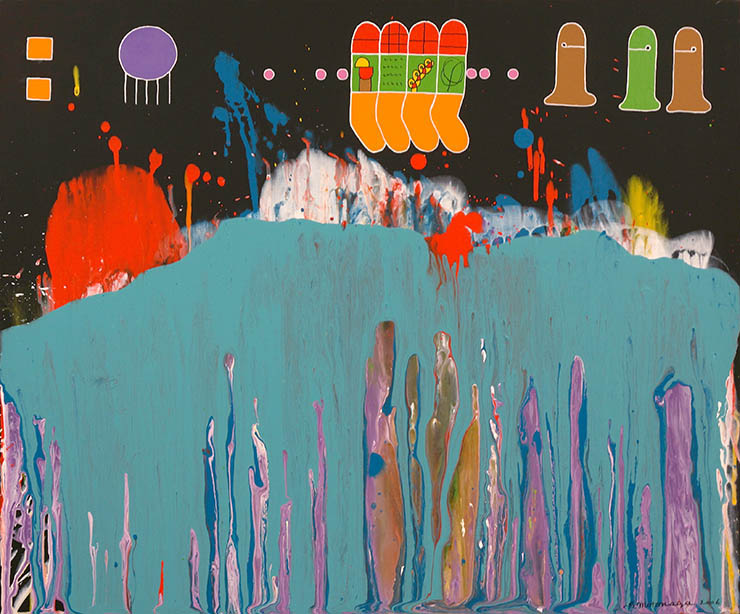
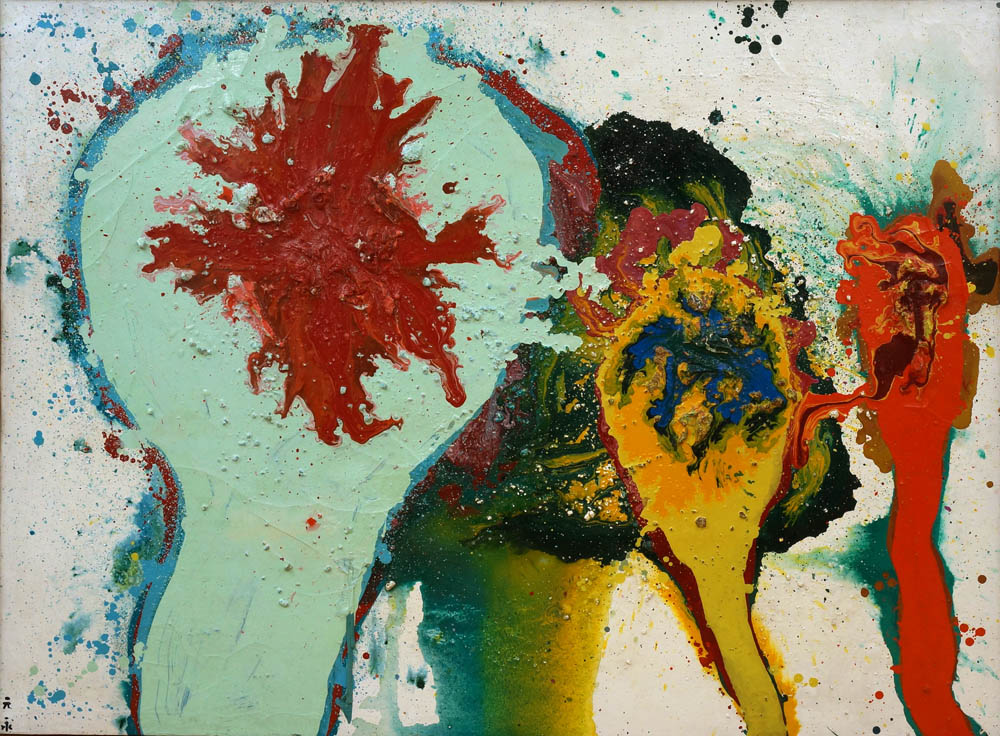
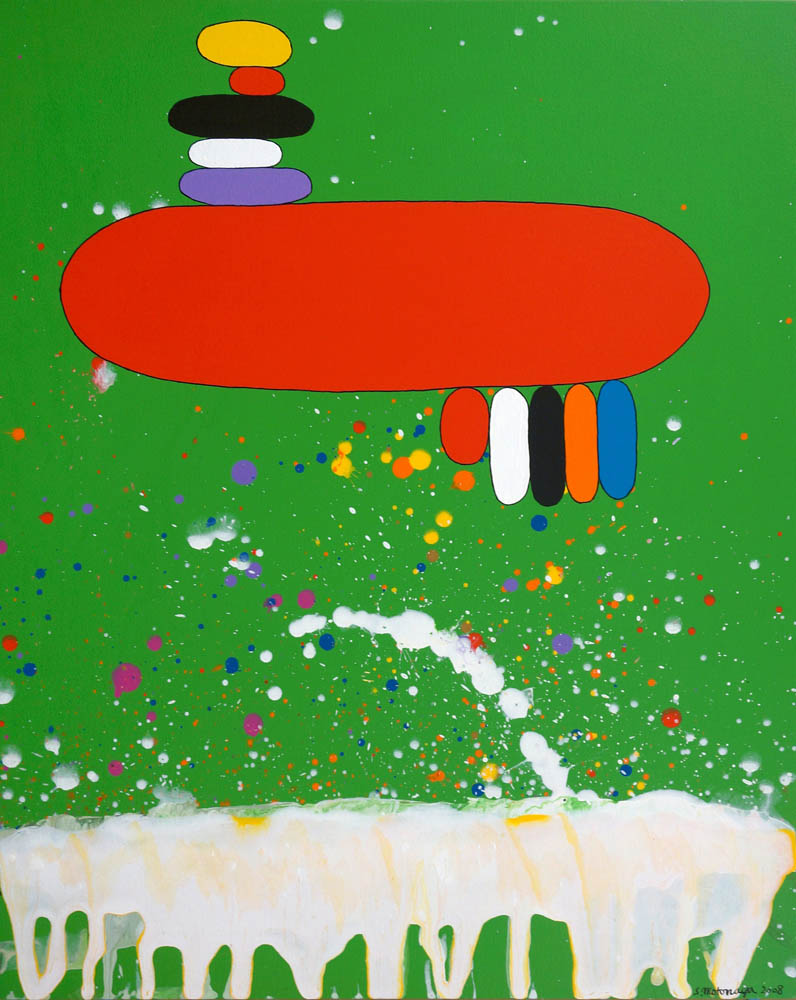
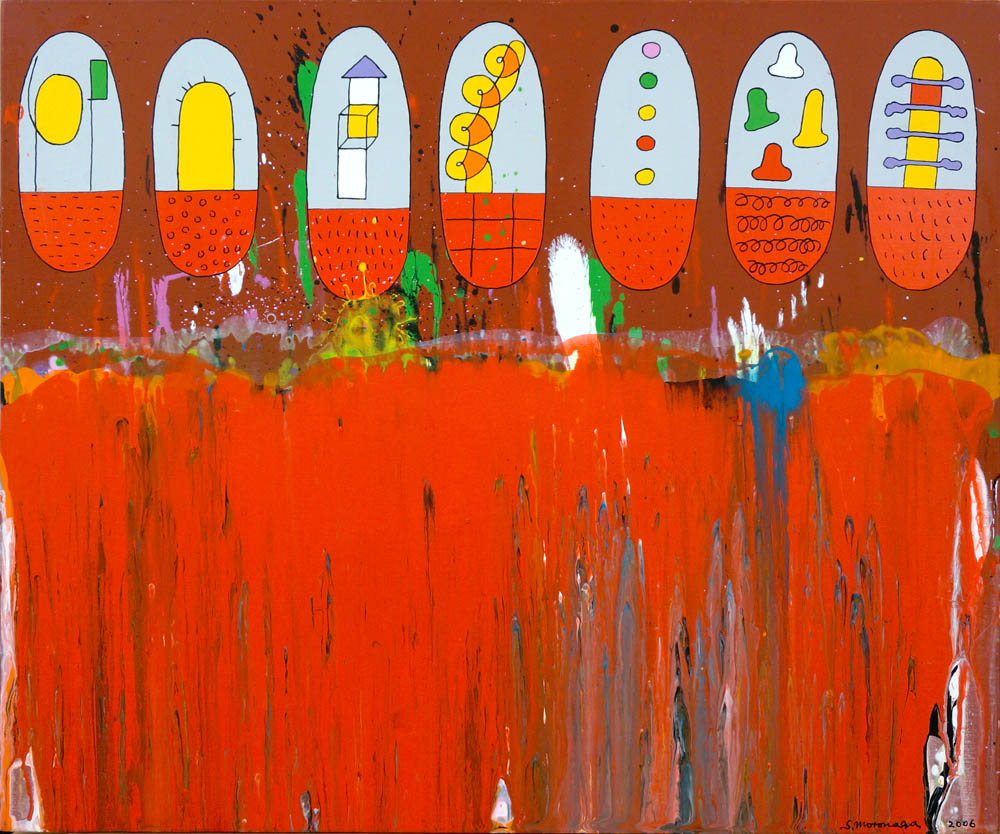
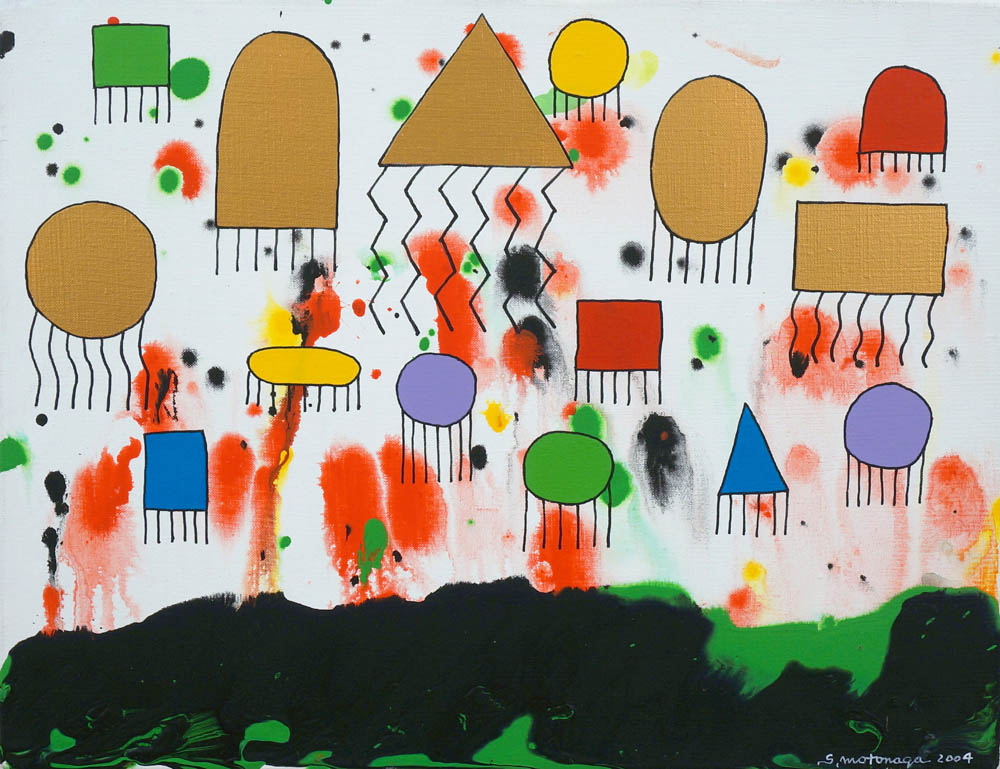
1958年頃より、日本画の技法である「たらし込み」に着想を得て、絵具の流動性や偶然性を活かした抽象絵画を展開。物質の自律的な振る舞いを重視したこれらの作品は、欧米のアンフォルメル運動とも共鳴し、国際的な評価を獲得する。
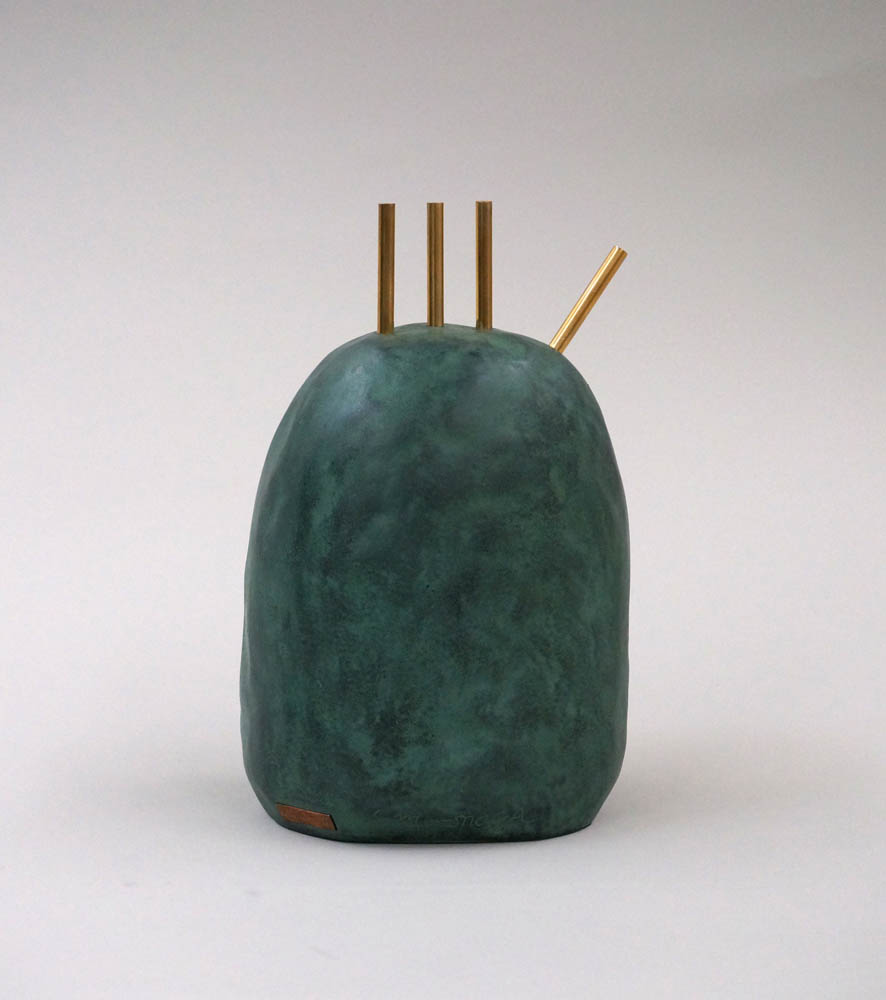
元永の実践は、物質と偶然性、時間性を取り込むことで、戦後美術における新たな表現の可能性を切り開き、具体美術の国際的評価にも大きく寄与した。
《Sadamasa Motonaga》
Sadamasa Motonaga (1922–2011) was a leading figure in postwar Japanese avant-garde art. In 1955, he joined the Gutai Art Association at the invitation of Jiro Yoshihara and became one of its key members.
In his early practice, Motonaga produced experimental works that explored material transformation and spatial experience, such as Work (Water)—in which colored water was sealed in vinyl bags and suspended from tree branches—as well as stage performances incorporating smoke. These works expanded the boundaries of conventional artistic expression.
From around 1958, inspired by the Japanese painting technique of tarashikomi, he developed abstract paintings that embraced fluidity and chance. By emphasizing the autonomous behavior of materials, his work resonated with the European Informel movement and gained international recognition.
Motonaga’s practice opened new possibilities in postwar art by integrating materiality, chance, and temporality, and played a significant role in establishing the global importance of Gutai.